Powell River Top General Contractor for Quality Construction Services
General Contractor: Your Essential Partner for Household Endeavors
A general contractor maintains an essential position in building projects. They manage various components of building operations, guaranteeing that all work proceeds without incident. Their expertise of construction regulations and guidelines permits them to address the complexities of authorizations and reviews. This expert represents an important link between clients and trade contractors. However, many homeowners remain confused about the full scope of their offerings. Understanding these details can have great importance for the success of any home renovation project.
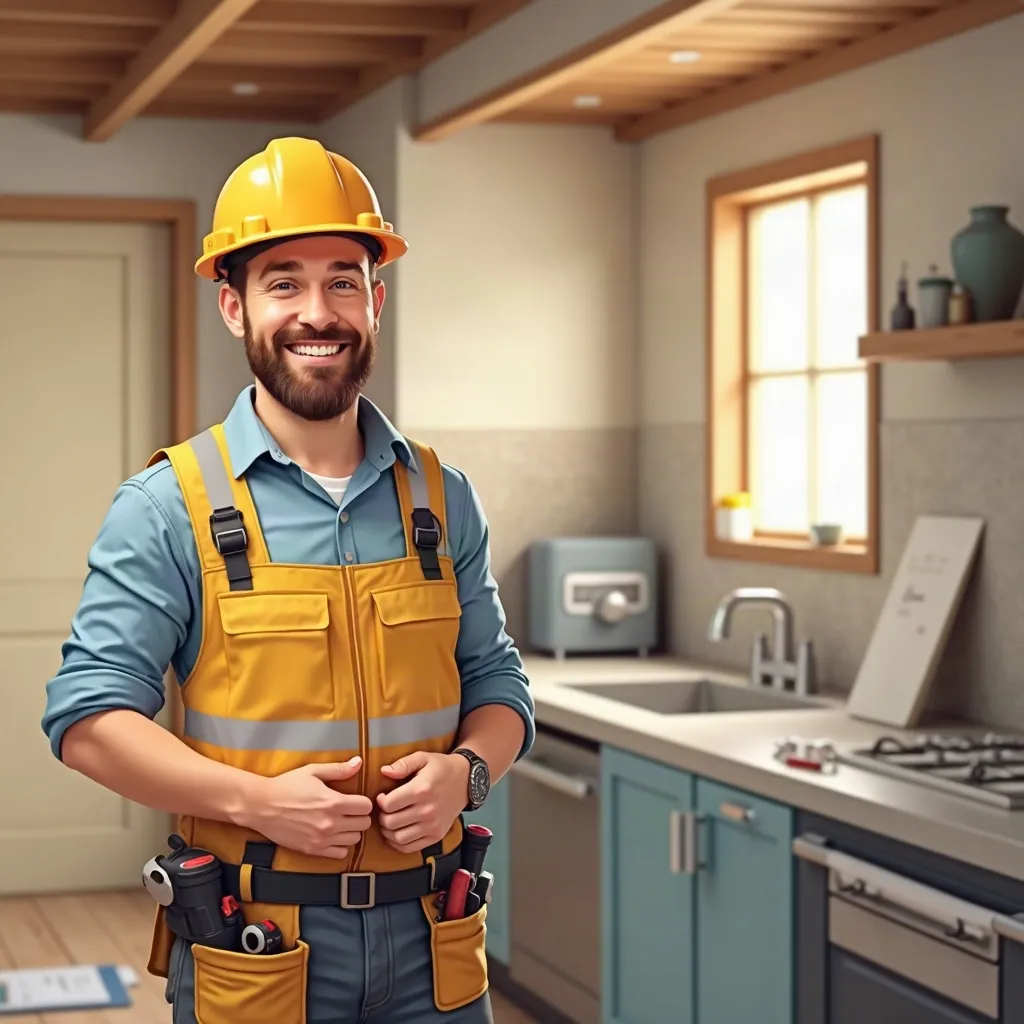
How Do a General Contractor Work?
A construction leader coordinates the assorted components of a construction project, making sure that everything runs smoothly from commencement to conclusion. They perform as the leading contact point, facilitating communication between project principals, subcontractors, and suppliers. This assignment entails designing the project timeline, mobilizing workers, and securing compliance with state and local building regulations and regulations.
General contractors are in charge of obtaining necessary permits and scheduling inspections, which are essential to maintaining safety and quality standards. They also manage budget planning, material procurement, and overseeing site operations to prevent any possible setbacks or complications. In addition, they oversee subcontractors, making sure that each phase of construction aligns with project specifications and timelines. Overall, a general contractor's expertise and organizational skills are essential to completing a successful construction project, transforming a client's vision into reality while managing multiple duties and obligations.
Benefits of Contracting a General Contractor for Home Renovations
Engaging a a general contractor for house remodeling provides numerous advantages that can substantially enhance the quality and efficiency of the project. Experienced contractors offer expertise in overseeing projects, guaranteeing that schedules are followed and resources are allocated efficiently. Their long-standing relationships with subcontractors can result in competitive pricing and outstanding quality, which ultimately benefits property owners by saving both time and money.
Moreover, general contractors oversee the intricate details of licensing and compliance, reducing possible regulatory problems. They also provide a single point of contact, easing dialogue and collaboration among various trades. This optimization decreases the chance for misunderstandings and delays.
Furthermore, their experience allows them to foresee possible issues, facilitating proactive solutions to maintain the project on track. By hiring a general contractor, homeowners can concentrate on their vision while experiencing peace of mind, understanding that a professional is overseeing every aspect of the renovation.
Dispelling False Beliefs Surrounding Builders
Although many property owners may have misunderstandings about general contractors, grasping the realities can lead to more wise decisions. A common myth is that hiring a general contractor is unnecessary for small projects; still, their expertise can streamline even small-scale renovations, ensuring compliance with local codes. Another frequent belief is that general contractors are just middlemen, but they often have extensive knowledge in various trades, allowing them to manage projects efficiently. Moreover, some clients assume that working with a contractor will greatly raise costs. In reality, a experienced contractor can often obtain better pricing for materials and labor through established relationships with vendors and subcontractors. Lastly, many think that general contractors are inflexible, but reliable contractors focus on client communication and work closely to satisfy specific needs. Dispelling myths can empower clients to harness the true value of general contractors when completing successful home projects.
How to Choose the Right General Contractor?
How can property owners ensure they choose the ideal general contractor for their undertakings? The process starts with thorough research. Homeowners should seek recommendations from friends, family, or online reviews to identify qualified contractors. Once a compilation is assembled, verifying credentials, such as licensing, insurance, and bonding, is essential to verify credibility.
Next, homeowners should solicit and assess samples of previous work, focusing on work of comparable scale. Setting up interviews allows homeowners to determine suitability, discussing timelines, budgets, and expectations. It's also advisable to gather multiple bids for contrast, delivering a clear understanding of pricing.
Assessing references gives perspective on a contractor's dependability and expertise. Finally, trusting one's instincts is essential; an opening discussion can reveal much about a contractor's way of communicating and methodology. By following these steps, homeowners can markedly increase their odds of choosing a general contractor who aligns with their project needs and vision.
Successful Conversation Techniques Alongside Your General Contractor
How might homeowners use approaches to guarantee clear exchanges with their general contractor? Creating open dialogue from the start is essential. Homeowners must explicitly state their expectations, project objectives, and spending restrictions during opening conversations. Consistent information can be facilitated through planned discussions, guaranteeing that both parties stay coordinated throughout the project.
Documented materials, including email records and project logs, serves to strengthen verbal agreements and minimizes misunderstandings. Homeowners should also promote open dialogue by requesting comments and inquiries from the contractor, fostering a collaborative environment.
Furthermore, taking advantage of tech solutions, including project management apps, can ease communication by creating a centralized platform for conveying updates, timelines, and changes. Finally, practicing respect and openness can deepen rapport, allowing for it to be more straightforward for the contractor to raise challenges or suggestions in a meaningful way. By executing these strategies, homeowners can establish a fruitful and transparent connection with their general contractor.
What Lies Ahead When Your Initiative Launches?
When the initiative commences, homeowners should prepare for a surge of movement on-site. The construction manager will supervise groups of qualified craftspeople, including electricians, plumbers, and carpenters, who will begin their work based on the agreed-upon schedule. Homeowners may observe heavy machinery and materials being transported, producing a bustling environment.
Open communication is crucial during this stage. The contractor will inform advancements and resolve any concerns that arise. Homeowners should ready themselves for potential disruptions, such as acoustic disturbances and restricted entry to certain areas of the home.
Safety protocols will be in place to safeguard both workers and residents, ensuring a secure environment. Additionally, homeowners may be prompted to maintain flexibility, view information about as unforeseen issues can arise, requiring adjustments to the original plan. Overall, this initial phase lays the groundwork for the successful completion of the project, and active participation is essential.
Basic Concerns for Your General Contractor Agreement?
Identifying the proper questions to ask when concluding a general contractor agreement is essential for securing a successful project. Homeowners should question about the contractor's credentials and insurance to validate their qualifications and protection against risks. Understanding the project schedule and milestones is significant; therefore, asking about estimated completion dates helps regulate expectations.
It is also essential to outline payment terms, encompassing initial payments and payment schedules, to sidestep misunderstandings. Residents should seek a detailed breakdown of costs, encompassing materials and services, to assure openness. Moreover, talking through the method for dealing with adjustments or unforeseen issues can thwart disagreements in the future.
Lastly, property owners must inquire into subcontractors and their qualifications, as well as the communication approach of the contractor throughout the project. By tackling these inquiries, homeowners can foster a productive relationship with their general contractor, ultimately resulting in a successful home project.
Regularly Requested Questions
How Do General Contractors Determine Their Charges for Services?
General contractors typically bill through set prices, per-hour charges, or a portion of the overall project expense. Their costs may also encompass supplies, labor, and operational expenses, depending on the complexity and extent of the project.
Can a General Contractor Give Assistance With Permits and Examinations?
Yes, a construction contractor can assist with securing permits and managing inspections. They typically navigate local codes and ensure adherence, streamlining the process for homeowners while enabling necessary authorizations throughout the building project.
What Qualifications Should I Search for in a General Contractor?
When selecting a building contractor, one should consider professional standing such as licensing, insurance, experience in relevant projects, quality references, and effective communication skills, verifying they possess the requisite proficiency to direct the project in a successful manner.
What Duration Should You Expect for a Typical Home Renovation Venture?
A routine home renovation project can extend anywhere from a few weeks to several months, subject to the scope, difficulty, and size of the project, as well as the stock of materials and labor.
What Takes Place if My Initiative Exceeds Spending Cap?
If a project exceeds the budget, the contractor usually talks through the causes and alternatives with the homeowner. Adjustments may include scaling back, obtaining more funds, or revising the project scope to align with budget constraints.